
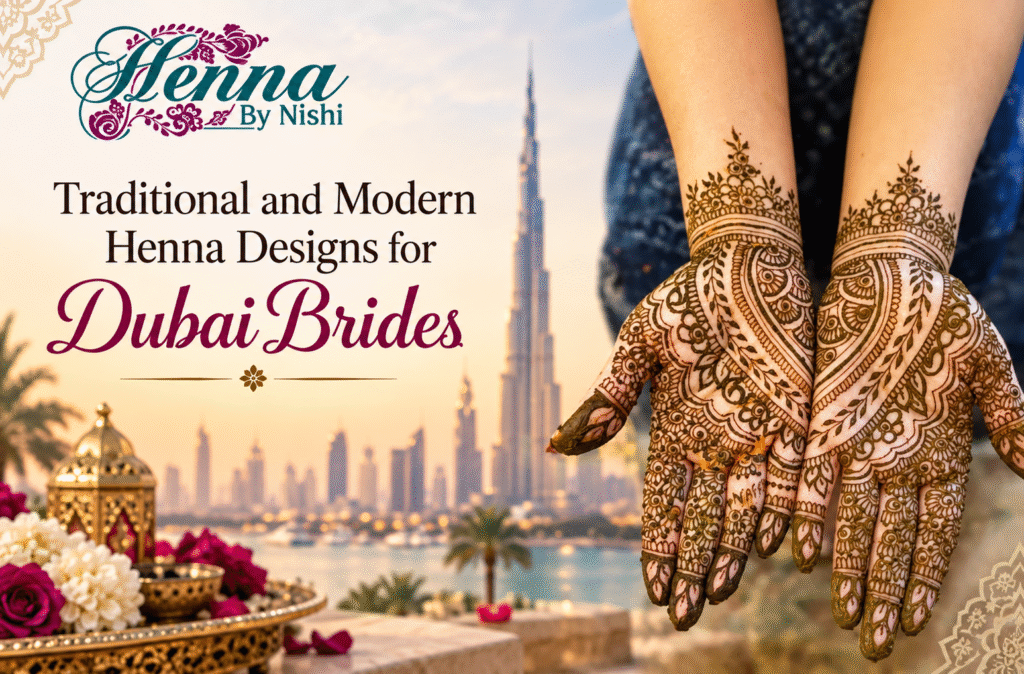
Bridal henna is one of those wedding details that can be both deeply traditional and completely personal. For brides in Dubai, the choice is not limited to one particular style. Some prefer intricate patterns that cover the hands and feet, while others choose delicate floral details, Arabic-inspired trails, or a modern design with plenty of open space. The right Henna Designs for Dubai Brides should complement the bride rather than compete with her outfit, jewellery, or overall wedding look.
Dubai is home to weddings influenced by many cultures and traditions. This makes bridal mehndi especially interesting because different styles can be adapted, combined, and personalised. Understanding the differences between traditional and contemporary designs can help you decide what suits your celebration.
How Bridal Henna Has Evolved for Dubai Weddings?
Traditional mehndi has always been associated with celebration, beauty, and important ceremonies. Over time, bridal henna has become more flexible. Brides today often take inspiration from several cultures instead of following one fixed design style.
A bride may choose detailed Indian patterns for her main ceremony and a lighter design for another function. Another may prefer Arabic floral artwork because it works beautifully with an elegant evening outfit.
There is also a growing preference for personalised mehndi. Rather than selecting a ready-made pattern, brides can discuss their ideas with an artist and create a design around their own story, wedding theme, or personal style.
This shift does not mean traditional mehndi is becoming less important. Instead, modern bridal henna gives brides more freedom to decide how they want those traditions to appear.
Traditional Henna Designs for Elaborate Bridal Looks
Traditional Henna Designs are generally recognised for their intricate details and extensive coverage. They are a natural choice for brides who enjoy the richness and visual depth of classic bridal mehndi.
Indian bridal designs, for example, may include paisleys, flowers, peacocks, leaves, mandalas, fine lines, and interconnected patterns. Some designs also incorporate bride-and-groom figures or small elements that represent the wedding celebration.
One of the most appealing aspects of traditional mehndi is the amount of detail that can be included. A single hand can contain several different motifs while still forming one connected composition.
For brides who enjoy a more elaborate look, traditional patterns can extend from the fingers across the palms and towards the wrists or arms. Similar detailing can be created on the feet.
The amount of coverage does not have to be decided solely by the style. A traditional design can also be made lighter by leaving selected areas open.
Modern Henna Designs for a Minimal and Elegant Look
Not every bride wants heavily covered hands. Modern Henna Designs offer an alternative for those who prefer something lighter, cleaner, and more contemporary.
Modern mehndi often makes thoughtful use of negative space. Instead of filling every area with patterns, the design focuses attention on selected motifs.
For example, a bride might choose a floral trail running from the wrist towards the fingers, a mandala placed in the centre of the palm, or delicate patterns concentrated around the fingers.
Geometric elements can also be incorporated into contemporary designs. Fine lines, symmetrical shapes, bracelets, and small floral details can create an elegant appearance without making the artwork feel heavy.
This style can be particularly suitable for brides wearing modern gowns, contemporary lehengas, or outfits with detailed jewellery where a simpler henna pattern may create better balance.
Traditional and Modern Styles Can Be Combined
Choosing between traditional and modern mehndi does not always have to be an either-or decision.
A customised bridal design can bring together the detailed motifs of traditional mehndi with the spacing and simplicity associated with contemporary artwork.
For instance, the centre of the palm could feature an intricate mandala while the fingers use lighter detailing. A traditional paisley or floral motif could be surrounded by open space instead of being connected to a dense pattern.
This approach gives the bride the cultural character of traditional mehndi without requiring complete coverage.
A skilled artist can also adjust the scale of individual motifs according to the size and shape of the hands. This is one reason customised designs can look more natural than choosing a pattern without considering how it will sit on the skin.
Popular Bridal Henna Styles to Consider
Different styles create noticeably different impressions. Understanding what each one offers can make the selection process easier.
| Henna Style | Design Characteristics | Suitable For |
|---|---|---|
| Indian Bridal | Detailed motifs, paisleys, florals and figures | Elaborate traditional weddings |
| Arabic | Floral trails, vines and open spaces | Elegant and flowing looks |
| Minimalist | Fine details with plenty of skin visible | Modern and understated bridal looks |
| Mandala | Circular, symmetrical centrepiece | Brides who prefer balanced designs |
| Fusion | Combination of multiple design traditions | Personalised multicultural weddings |
| Contemporary | Geometric and fine-line elements | Modern outfits and celebrations |
The table is only a starting point. Two designs from the same category can look completely different depending on the artist’s technique and the bride’s preferences.
How to Choose a Design That Suits Your Wedding?
The design should work with the rest of your bridal styling. Looking at individual mehndi patterns without considering the complete outfit can make the decision more difficult.
Start With Your Bridal Outfit
Look at the embroidery, neckline, jewellery, colours, and overall character of your outfit.
If your clothing is highly detailed, a carefully spaced design may create balance. If your outfit is relatively simple, you may have more freedom to choose elaborate mehndi.
Decide How Much Coverage You Want
Coverage is an important part of the final appearance.
Some brides love the look of fully decorated hands and feet, while others prefer the design to remain concentrated around the palms, fingers, or wrists.
Think about how comfortable you will feel during the wedding and how much time you want to spend on the application.
Think About Your Wedding Functions
Your mehndi does not necessarily have to look the same for every function.
A more elaborate design can be planned for the main bridal ceremony, while a smaller and lighter pattern may work well for a reception, family gathering, Eid celebration, or another event.
If you have multiple functions, discuss the schedule with your artist so that the application can be planned comfortably.
Add Details That Mean Something to You
Personal details can make bridal mehndi much more memorable.
Depending on the design, you could include initials, a meaningful symbol, a favourite flower, or another small element connected to your relationship or wedding.
These details do not need to dominate the design. Often, the smallest personalised element can make the artwork feel more special.
Why the Henna Artist Matters as Much as the Design?
A design may look beautiful in a reference image, but its final appearance depends greatly on how it is adapted and applied.
The artist needs to understand spacing, line thickness, proportion, symmetry, and how different motifs work together. These details become particularly important when creating elaborate bridal artwork.
The quality and preparation of the henna paste also matter. The paste should be suitable for temporary body art, and the artist should understand how to prepare and handle it properly.
For brides in Dubai, choosing a professional artist who offers a customised service can also make the experience more convenient, especially when the appointment takes place at home.
Choosing Henna With Skin Safety in Mind
Brides should always know what is being applied to their skin. Natural henna traditionally produces an orange to reddish-brown stain that develops over time.
It is sensible to discuss any known skin sensitivities with the artist before the appointment. Brides should also be cautious about products promoted as instant black henna, as some formulations may contain added chemicals that can cause skin reactions.
Henna By Nishi uses organic henna for its services and focuses on customised designs for different occasions. Nishi is a licensed and certified henna designer in Dubai and also has experience with Jagua henna, white henna, and temporary henna tattoos.
Preparing for Your Bridal Henna Appointment
A little preparation can make a long bridal mehndi session much easier.
Before the appointment, keep your hands clean and avoid applying heavy creams or oils immediately beforehand. These products can affect how comfortably the paste sits on the skin.
It is also useful to have your outfit or jewellery details available when discussing the design. Even a photograph can help the artist understand the style you are trying to achieve.
If you want personalised elements, mention them before the application begins. This gives the artist enough time to incorporate them naturally into the composition.
Most importantly, allow enough time for the application. Intricate bridal mehndi cannot always be rushed without affecting the detail and finish of the design.
Bridal Henna at Home in Dubai
Wedding preparations can involve appointments, fittings, family gatherings, and numerous other arrangements. Having a henna artist come to your home can make the experience more convenient.
A home appointment also allows the bride to remain in a familiar environment while getting ready for her celebration. Depending on the booking, henna services can be arranged for individual brides, bridal groups, parties, events, or maternity celebrations.
Henna By Nishi provides home henna services in Dubai and creates customised artwork according to the occasion and the client’s preferred style.
Creating a Bridal Design That Feels Personal
The most memorable bridal mehndi is not necessarily the most complicated one. It is the design that feels appropriate for the bride wearing it.
Some brides want their hands filled with traditional motifs because they love the richness of detailed mehndi. Others prefer a few carefully placed elements that complement their jewellery and outfit.
There is also plenty of room between these two choices. A bride can combine detailed and open areas, traditional and contemporary motifs, or cultural patterns with personal symbols.
The important thing is to discuss your expectations clearly with your henna artist before the appointment. Sharing your outfit, preferred coverage, reference ideas, and any personal details can help turn those ideas into a cohesive design.
Book a Personalised Bridal Henna Experience in Dubai
Your wedding henna should be planned around you—not simply selected from a collection of standard patterns. Whether you prefer an elaborate traditional design, a delicate contemporary look, or a combination of both, the artwork can be adapted to suit your celebration.
With experience in bridal, party, event, maternity, Jagua, white henna, and temporary tattoo services, Henna By Nishi offers customised henna experiences in Dubai using organic henna.
If you are preparing for your wedding, Eid, or another special celebration, share your ideas and preferred design style with Nishi to discuss the right approach for your occasion.
Contact Henna By Nishi by phone or WhatsApp, or book through the website to plan your customised henna appointment in Dubai.
Frequently Asked Questions About Bridal Henna
1. What type of henna is suitable for a Dubai bride?
Natural henna is traditionally used for bridal mehndi and produces an orange to reddish-brown stain as it develops. Brides should discuss the ingredients being used and any skin sensitivities with their artist beforehand.
2. Can traditional and modern mehndi be used together?
Yes. A bridal design can combine detailed traditional motifs with modern spacing, geometric elements, or minimalist sections. This allows the bride to create a look that reflects both tradition and personal style.
3. How can I choose a henna design for my wedding outfit?
Consider the amount of embroidery, jewellery, colours, and overall style of your outfit. You can then choose a design with a similar level of detail or use a simpler pattern to create visual balance.
4. Can bridal henna include personalised elements?
Yes. Depending on the design, elements such as initials, meaningful symbols, flowers, dates, or other personal details can be incorporated into the artwork.
5. Does Henna By Nishi provide home bridal henna services in Dubai?
Yes. Henna By Nishi provides home-service henna appointments in Dubai for bridal henna as well as parties, events, maternity henna, and other occasions.
