
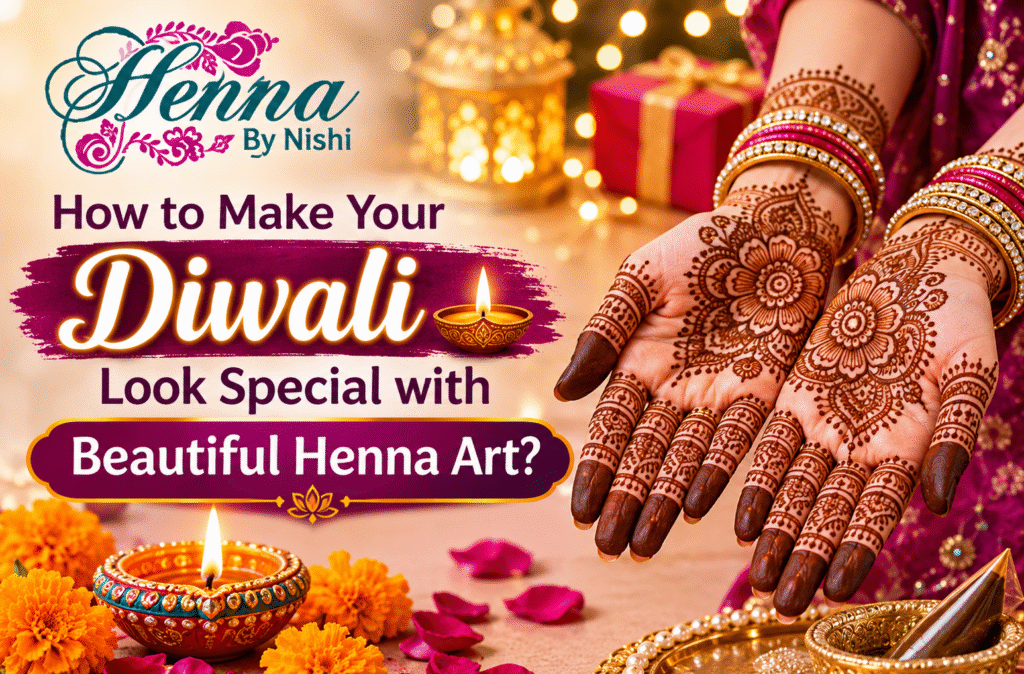
Diwali is a celebration of lights, happiness, family gatherings, and festive fashion. From choosing traditional outfits to accessorising with beautiful jewellery, every detail adds to the excitement of the occasion. One way to complete your festive appearance is by choosing elegant Henna Designs for Diwali Party celebrations. Beautiful henna patterns add an artistic touch to your hands and make your festive look feel more personal and complete.
Whether you prefer delicate floral patterns, traditional Indian motifs, Arabic henna styles, or contemporary minimalist designs, the right henna art can complement your Diwali outfit beautifully. It is also a wonderful way to enjoy the festive spirit with friends and family.
For those celebrating Diwali in Dubai, professional henna services offer an opportunity to enjoy customised designs created according to individual preferences, outfit choices, and special occasions.
Let’s explore how you can make your Diwali look more attractive with beautiful henna art.
1. Choose Henna Designs That Match Your Diwali Outfit
Your henna design should complement your festive outfit rather than compete with it. The colours, patterns, and overall style of your clothing can help you decide which henna design will look best.
For example, if you are wearing a traditional saree or lehenga, detailed Indian henna patterns can create a graceful festive appearance. If your outfit has a contemporary design, minimalist or Arabic henna patterns may be a better choice.
Here are some styling ideas:
-
Traditional sarees: Choose intricate floral, paisley, and mandala patterns for an elegant appearance.
-
Lehengas: Full-hand or half-hand henna designs can complement heavily embroidered outfits.
-
Anarkali suits: Symmetrical patterns and traditional motifs create a balanced festive look.
-
Indo-western outfits: Modern Arabic designs or minimal floral patterns offer a stylish combination.
-
Simple festive dresses: Small mandala, leafy, or finger henna designs add subtle detail.
Before selecting a design, consider your outfit’s colour, sleeve length, jewellery, and overall styling.
2. Explore Popular Henna Styles for Diwali Parties
Henna art comes in different styles, allowing you to choose a pattern that reflects your personality. Some people love detailed traditional artwork, while others prefer simple and modern designs.
If you are attending a Diwali party, selecting a design that suits the occasion can make your hands look beautifully decorated.
Traditional Indian Henna Designs
Traditional Indian mehndi is known for its detailed patterns, including paisleys, peacocks, flowers, mandalas, and fine lines.
These designs are suitable for people who enjoy cultural artwork and want a more detailed festive appearance. They work particularly well with ethnic outfits and traditional jewellery.
Arabic Henna Designs
Arabic henna designs generally feature bold flowers, leafy vines, and flowing patterns with open spaces between motifs.
They are an excellent option if you want an elegant design without covering your entire hand. Their flowing appearance also complements contemporary festive outfits.
Minimalist Henna Designs
Not everyone prefers heavy or elaborate mehndi. Minimalist henna designs featuring small flowers, delicate lines, finger patterns, or simple mandalas can create an attractive look.
These are ideal for people who want something subtle for office celebrations, family dinners, or smaller Diwali gatherings.
Contemporary and Geometric Designs
Geometric henna combines modern shapes, symmetrical patterns, and creative detailing. These designs can include diamonds, lines, dots, and decorative elements.
They are particularly suitable for people who want something different from traditional mehndi patterns.
3. Select the Right Hand Placement for Your Henna
The placement of henna can influence how your overall festive look comes together. Depending on your preferences, you can choose a design for your palms, fingers, wrists, or the back of your hands.
Consider these popular placement options:
| Henna Placement | Design Ideas | Suitable For |
|---|---|---|
| Front palms | Mandalas, floral patterns, traditional motifs | Traditional celebrations |
| Back of hands | Arabic vines, flowers, geometric patterns | Festive parties |
| Fingers | Rings, dots, delicate lines | Minimalist styling |
| Wrists | Bracelet-style henna patterns | Modern festive looks |
| Both hands | Coordinated full-hand designs | Grand Diwali events |
You can also choose matching designs for both hands or select different patterns that complement each other.
If you regularly wear rings, bangles, or bracelets, discuss the placement with your henna artist to ensure that the artwork and jewellery work well together.
4. Coordinate Your Henna with Festive Jewellery
Jewellery plays an important role in completing your Diwali appearance. Earrings, bangles, rings, bracelets, and hand accessories can enhance your festive styling.
However, your henna design should leave enough visual balance for your accessories.
For example, if you plan to wear heavy bangles, a delicate wrist design may be more suitable than a dense pattern in the same area. Similarly, if you prefer statement rings, finger henna can be customised to complement your jewellery.
Here are a few combinations to consider:
-
Floral henna with traditional gold bangles.
-
Arabic henna with contemporary bracelets.
-
Minimal finger designs with statement rings.
-
Detailed palm patterns with traditional ethnic jewellery.
-
Geometric henna with modern festive accessories.
The aim is to create a coordinated appearance without making your hands look overly crowded.
5. Plan Your Henna Application Before Diwali
If you want your henna to look beautiful during Diwali celebrations, timing is important. Natural henna stains develop gradually, so applying it at the right time can help you achieve a richer colour before your event.
Freshly applied henna initially appears orange. Over the next 24–48 hours, the stain typically deepens into a reddish-brown or darker brown shade, depending on individual skin characteristics, henna quality, and aftercare.
Keep these timing tips in mind:
-
Two days before Diwali: A good option if you want the stain to develop before your celebration.
-
One day before Diwali: Suitable for most traditional festive designs, allowing time for colour development.
-
On the day of the event: Choose simple designs if you want fresh artwork, but remember that the stain will still be developing.
Avoid rushing the application. Allow enough time for the henna paste to dry and follow your artist’s aftercare instructions.
6. Choose Natural Henna for Beautiful Festive Art
The quality of henna paste is just as important as the design itself. Natural henna is made from the leaves of the henna plant and is traditionally used to create temporary decorative stains on the skin.
When booking henna services for Diwali, ask your artist about the ingredients and preparation of the paste.
Consider the following points:
-
Choose a professional artist who explains the ingredients used in the henna paste.
-
Prefer naturally prepared henna from a reliable source.
-
Avoid unknown products marketed as instant or black henna.
-
Ask about ingredient sensitivities and follow appropriate skin-safety precautions.
-
Consider a small patch test if you have sensitive skin or are using a product for the first time.
Natural henna generally produces an orange stain that gradually darkens. Avoid products containing undisclosed chemicals or PPD (para-phenylenediamine), which can cause serious skin reactions.
Choosing a knowledgeable artist helps you make an informed decision about the henna products being applied.
7. Make Your Diwali Celebration Special with Henna Parties
Diwali is not just about personal styling; it is also about spending quality time with friends and family. A henna party can be a wonderful addition to your festive celebrations.
Whether you are organising a house party, a family gathering, or a community event, professional henna services can add an interactive and creative activity to the occasion.
You can organise a henna corner where guests choose from different patterns according to their preferences.
Some popular ideas include:
-
Setting up a dedicated henna application space.
-
Offering simple designs for guests who prefer minimal artwork.
-
Providing detailed patterns for those who enjoy traditional mehndi.
-
Choosing matching designs for family members or friends.
-
Including henna services as part of a larger Diwali celebration.
For celebrations in Dubai, Henna By Nishi offers party henna services with customised designs, making it easier to add professional henna artistry to your special gathering.
8. Find a Professional Henna Artist in Dubai
A beautiful henna design requires creativity, precision, and an understanding of different patterns. Choosing an experienced artist can make a noticeable difference in the overall appearance of your festive henna.
Nishi Mehta is a professional, licensed, and certified natural henna artist in Dubai. She specialises in customised henna artwork and uses organic henna for her services.
Her experience includes traditional mehndi, modern henna patterns, Jagua henna, and temporary henna tattoos.
Services offered include:
| Henna Service | Description |
|---|---|
| Bridal Henna | Detailed and customised designs for brides |
| Party Henna | Creative patterns for festive gatherings and events |
| Belly or Maternity Henna | Personalised artwork for maternity celebrations |
| Henna Home Services | Henna appointments at your preferred location |
| Jagua Henna | Temporary body art using Jagua-based products |
Nishi also has experience in henna mixology, which involves understanding how different ingredients contribute to henna paste preparation.
Her approach focuses on creating customised designs that match each client’s personality, preferences, and occasion.
Whether you want delicate floral patterns or elaborate traditional artwork, Henna By Nishi can help you choose a design that complements your Diwali celebration.
9. Follow Simple Aftercare Tips for Better Henna Stains
Getting your henna applied is only one part of the process. Proper aftercare can help support stain development and maintain the appearance of your design.
Here are some practical tips to follow after your henna application:
-
Allow the paste to dry: Avoid disturbing the design while the paste is setting.
-
Follow removal instructions: Remove the dried paste according to your artist’s recommendations.
-
Avoid immediate water exposure: Keep the area dry for the period recommended by your artist.
-
Protect your design: Avoid excessive scrubbing or friction.
-
Allow the stain to develop: Natural henna colour generally becomes darker over the following 24–48 hours.
Remember that stain intensity varies depending on skin type, body temperature, henna quality, and application conditions. No artist can guarantee an identical colour for everyone.
Conclusion
Diwali is the perfect occasion to celebrate traditions, express your personal style, and enjoy beautiful festive details. From intricate Indian patterns to modern Arabic artwork, the right henna design can make your festive appearance more graceful and memorable.
When selecting Henna Designs for Diwali Party celebrations, consider your outfit, jewellery, preferred design style, and the time available for stain development. Most importantly, choose quality natural henna and a professional artist who understands your requirements.
If you are celebrating Diwali in Dubai and want customised henna artwork, connect with Nishi Mehta at Henna By Nishi. Whether you need party henna, traditional mehndi, or personalised festive designs, book your appointment and make your Diwali celebrations even more special with beautiful henna art!
Frequently Asked Questions
1. Which henna designs are best for a Diwali party?
Floral, Arabic, mandala, paisley, and traditional Indian henna designs are popular choices for Diwali parties. You can select a detailed pattern for a traditional outfit or a minimalist design for a contemporary festive look.
2. How early should I apply henna before Diwali?
Applying natural henna one or two days before Diwali is generally a good option. This gives the stain time to develop its deeper reddish-brown colour before your celebration.
3. How long does natural henna colour last on hands?
Natural henna stains generally last around one to two weeks on the hands, depending on skin type, application, aftercare, and how frequently the area is washed or exfoliated.
4. Can I book a professional henna artist for a Diwali party in Dubai?
Yes. You can book professional party henna services in Dubai for family gatherings, private celebrations, and festive events. Nishi Mehta offers customised party henna services according to individual preferences and event requirements.
5. Is organic natural henna suitable for festive celebrations?
Natural henna is commonly used for temporary decorative body art. However, individual sensitivities can vary. Always check the ingredients, avoid products containing undisclosed chemicals or black henna with PPD, and consider a patch test before application.
